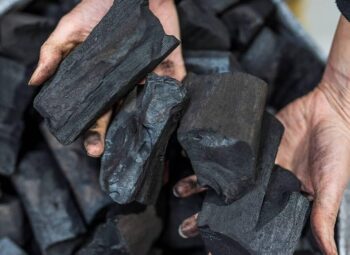

The cost of hardwood charcoal export from Nigeria is a critical factor for suppliers seeking to compete in international markets. As the demand for high-quality charcoal rises globally, exporters must have a clear understanding of all expenses involved, from production to shipping and regulatory compliance. A detailed analysis of the cost of hardwood charcoal export enables businesses to make informed decisions on pricing, logistics, and market strategies, ensuring profitability and sustainable growth.
For companies engaging in Nigeria hardwood charcoal export, understanding cost structures helps identify potential inefficiencies, optimize operations, and deliver premium products to international buyers and exporters. Whether catering to culinary, industrial, or energy sectors, accurate insight into export costs is essential for long-term success in global trade.
Key Takeaways on Cost of Hardwood Charcoal Export
-
The cost of hardwood charcoal export includes production, packaging, logistics, and regulatory compliance, all of which directly affect profitability.
-
Transportation, port handling, and international freight charges represent major expenses, making logistics efficiency a central concern.
-
Market-driven factors such as seasonal supply, foreign demand, and currency fluctuations influence pricing strategies.
-
A structured approach to analyzing the cost of hardwood charcoal export helps exporters maintain competitiveness while satisfying international buyers and exporters.
Production Costs: From Raw Wood to Export-Ready Charcoal
Production is the first major contributor to the cost of hardwood charcoal export. Sourcing premium hardwood species such as iroko, mahogany, and acacia can significantly impact expenses due to scarcity and quality attributes like density and calorific value.
Carbonization methods—whether traditional kilns or modern retort systems—affect efficiency, yield, and overall production costs. Efficient kilns reduce labor and fuel expenses, lowering the overall cost of hardwood charcoal export.
Sorting, grading, and processing to meet export standards further contribute to production expenses. Uniformity in size, moisture, and quality ensures the charcoal satisfies Nigeria hardwood charcoal export requirements and gains acceptance among international buyers and exporters.
Packaging and Handling Costs
Packaging is essential for preserving quality and maintaining product integrity during transit. In the cost of hardwood charcoal export, bagging, palletizing, and containerization are critical steps to prevent breakage, contamination, and moisture damage.
High-quality polypropylene bags, reinforced paper sacks, and moisture-proof storage solutions are investments that reduce losses during shipping. Proper packaging ensures the charcoal reaches international buyers and exporters in pristine condition, justifying premium pricing while minimizing risk of port rejection.
Transportation and Logistics Expenses
Transportation and logistics are key components of the cost of hardwood charcoal export. Moving charcoal from production sites to Lagos ports requires consideration of road conditions, fuel costs, labor, and vehicle maintenance. Remote forested locations can increase haulage expenses, impacting the overall export cost.
Choosing between containerized and bulk shipments also affects expenses. Containerized shipments protect quality but cost more per ton, while bulk shipments are cheaper but risk breakage and moisture exposure. Port handling, customs clearance, and insurance are additional factors that shape the total cost of hardwood charcoal export for Nigeria hardwood charcoal export operations.
Regulatory and Compliance Costs
Compliance is a non-negotiable part of the cost of hardwood charcoal export. Licensing, permits, and documentation—such as export permits, phytosanitary certificates, and quality certificates—add both monetary and administrative costs.
Environmental regulations increasingly affect Nigeria hardwood charcoal export, requiring sustainable harvesting, certified suppliers, and adherence to national and international standards. Exporters investing in compliance strengthen credibility with international buyers and exporters and safeguard market access.
Market-Dependent Pricing Factors
Pricing is heavily influenced by market conditions in the cost of hardwood charcoal export. Export-grade charcoal commands higher prices than local bulk charcoal due to strict quality, packaging, and certification standards. Seasonal variations, including wet and dry periods, impact production efficiency, moisture content, and per-ton costs.
Demand in major importing countries, such as Germany, Japan, UAE, and South Korea, shapes pricing strategies. Exporters can charge a premium in high-demand markets while monitoring fluctuations in currency, shipping, and energy costs to remain competitive in Nigeria hardwood charcoal export.
Risk Management and Contingency Costs
The cost of hardwood charcoal export is also influenced by risk management measures. Charcoal is fragile, and moisture exposure or rough handling can lead to breakage or reduced calorific value. Robust packaging, insurance coverage, and contingency planning help mitigate these risks.
Exporters must also consider currency fluctuations, trade tariffs, and market volatility. Effective risk management ensures shipments meet quality standards, maintain buyer satisfaction, and protect profitability, which is essential for international buyers and exporters.
Profit Margins and Break-Even Analysis
Profitability depends on accurately calculating the cost of hardwood charcoal export against potential revenue. Production, packaging, logistics, regulatory, and contingency costs must be accounted for to determine net margins.
High-volume shipments often benefit from economies of scale, lowering per-ton expenses, while low-volume shipments require careful pricing to maintain profitability. Understanding break-even points and margin expectations allows Nigeria hardwood charcoal export companies to make informed financial decisions and maximize returns in international markets.
Strategic Recommendations for Cost Optimization
Optimizing the cost of hardwood charcoal export while maintaining quality is essential for competitiveness. Efficient production, streamlined logistics, bulk procurement, and careful inventory management reduce overall costs.
Exporters should align production with high-demand markets, maintain consistent quality, and leverage technology for shipment tracking and quality control. These strategies enhance profitability, build trust, and strengthen relationships with international buyers and exporters, ensuring long-term success in global trade.
Conclusion
The cost of hardwood charcoal export from Nigeria involves a combination of production, packaging, logistics, compliance, and risk management. By understanding these components and implementing cost optimization strategies, exporters can remain competitive and profitable while meeting the expectations of international buyers and exporters.
A strategic approach to managing the cost of hardwood charcoal export ensures sustainable growth, reliable market access, and strong international reputation for Nigerian suppliers.